Cartagena, Colombia
UNESCO World Heritage Sites in Colombia
Colombia has nine sites on UNESCO's World Heritage List: colonial cities, pre-Hispanic archaeological parks, a living coffee landscape, an ancient Andean road and three natural areas of outstanding value.
Not all of them can be visited the same way. Cartagena, Mompox or the Coffee Region welcome travelers year-round; Malpelo is only reachable on authorized diving expeditions and Chiribiquete is strictly protected. In addition, the Barranquilla Carnival, the Blacks and Whites Carnival of Pasto, Holy Week in Popayán and vallenato music are part of the intangible heritage recognized by UNESCO.
Cultural sites can be visited year-round. For San Agustín and Tierradentro, avoid the rainiest days on rural roads; for Cartagena and Mompox, the dry season (December to April) is the most pleasant but also the busiest.
The best places
Cartagena, ColombiaThe walled city, San Felipe Castle and the bay's fortifications.
Read the guide →Darién rainforest on the Panama border. Very limited access: check its status with National Parks before planning.
 Juan Esteban Villegas
Colonial town on the Magdalena River, famous for its silver and gold filigree and its Holy Week.
Read the guide →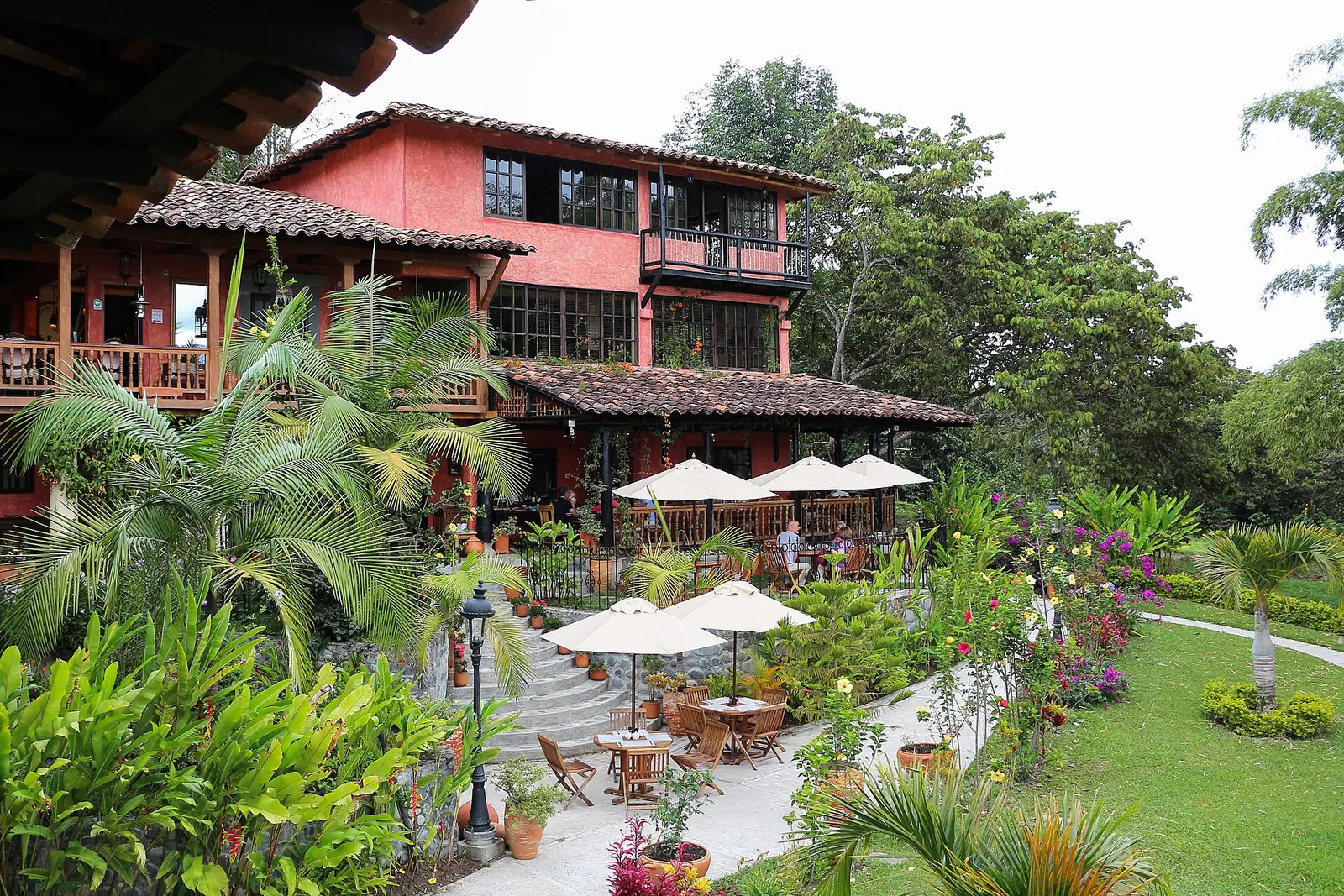 Bernard Gagnon
The largest group of religious monuments and megalithic sculptures in South America, in Huila.
Read the guide → inyucho · Wikimedia Commons (CC BY 2.0)
Hypogea: underground tombs with geometric paintings in the mountains of Cauca.
Guide (Spanish) →Ocean island with hammerhead sharks and huge schools of fish. Only accessible on authorized diving expeditions.
 Jacirbadillo / Wikimedia Commons
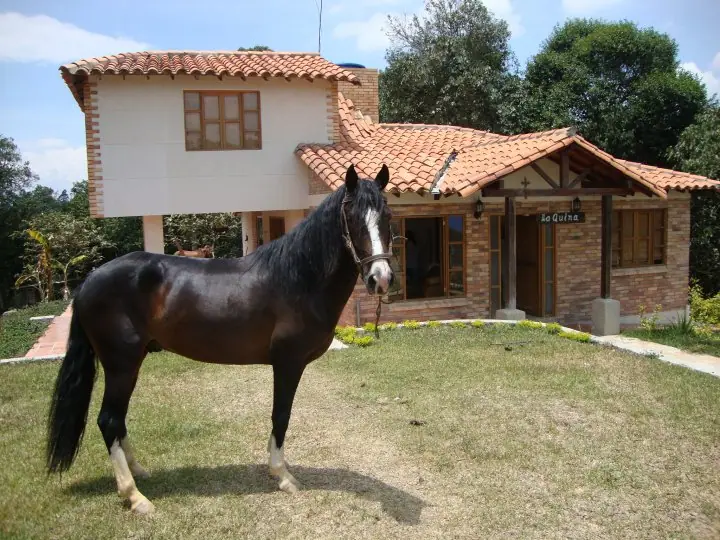
51 municipalities in Caldas, Quindío, Risaralda and Valle del Cauca with farms, bahareque towns and mountain crops.
Read the guide → Andrescrow · Wikimedia Commons (CC BY-SA 3.0)
The Inca road shared by six countries; in Colombia its sections are in Nariño, near Pasto and Ipiales.
Guide (Spanish) →'The Maloca of the Jaguar': tepuis and thousands of rock paintings in the Amazon. No tourist access; strictly protected.
Tips
- In San Agustín and Tierradentro hire local guides: they explain the archaeological context and know the trails.
- Combine Mompox with an evening on the river: sunset over the Magdalena is part of the experience.
- In Cartagena, visit San Felipe Castle early to avoid the worst heat.
- Before planning Los Katíos, Malpelo or Chiribiquete, check with National Parks whether there is access and under what conditions.
Frequently asked questions
How many World Heritage sites does Colombia have?
Nine: Cartagena (1984), Los Katíos (1994), Mompox, San Agustín and Tierradentro (1995), Malpelo (2006), the Coffee Cultural Landscape (2011), Qhapaq Ñan (2014) and Chiribiquete (2018).
What was Colombia's first World Heritage site?
The port, fortresses and group of monuments of Cartagena, inscribed in 1984.
Can you visit Chiribiquete?
No. There is no tourist access to Chiribiquete National Park; it is a strictly protected area.
What intangible heritage does Colombia have on UNESCO's lists?
Among others, the Barranquilla Carnival, the Blacks and Whites Carnival of Pasto, Holy Week in Popayán and traditional vallenato music.
Sources
Figures checked in November 2026. Sources are in Spanish.